
Screen Time vs. Attention Span: Finding Balance | Braintopia
← Return Home | Newsletters
The Screens We Lean On: Finding Balance in a Digital World
As the mom of a teenager, I feel this tension every single day.
I understand the pull of screens because I see it firsthand. Whether it's texting friends, watching videos, gaming, or scrolling, there is always another notification, another video, or another reason to stay connected.
Some evenings—after work, school runs, and endless noise—the temptation is overwhelming. You hand over the tablet or unlock their phones just so you can make dinner or finally catch your breath.
Screens are, without question, the most effective psychological pacifiers ever invented. They deliver instant calm when we have nothing left to give.
But let’s be honest about the hidden transaction: Every time we trade a screen for a moment of peace, we aren’t just borrowing time. We are shaping developing brains and changing how screen time affects attention span over the long term.
Brain Training vs. Screen Time: Navigating the Irony
You might fairly ask: Why is a company that uses screens telling you to be careful with screens?
It’s a valid question. Here’s our honest answer: Commercial apps, videos, and social media are built for passive consumption. They are engineered with hyper-stimulating, algorithmic feedback loops that flood the brain with easy dopamine and fragment attention for profit.
At Braintopia, we do the exact opposite.
We use screens for active, targeted neuroregulation. The interface is simply a delivery system for structured, effortful cognitive work that demands focus, working memory, and sustained attention.
The standard screen: Fragments attention for profit.
The Braintopia screen: Exercises the brain for growth.
We own the irony. We’re not anti-screen; we’re against the hijacking of attention.
The Value of Uncomfortable Silence
Here’s the deeper truth: Even the best brain-training tool cannot replace what happens when the screens go dark.
Real creativity, resilience, and connection are born in the quiet, slightly uncomfortable spaces of boredom. When we fill every empty moment with a glowing rectangle, we rob our kids of the friction they need to learn how to self-soothe, imagine, and think deeply.
We don’t need to feel ashamed for using technology as a survival tool. Modern parenting is hard. But establishing healthy screen time boundaries for kids is essential if we want to protect their natural cognitive development.
This Month's Challenge: 5 Simple Steps
This June, we're inviting you to run five simple, realistic Challenges with us to reclaim some of that offline space:
One completely screen-free dinner per week. No devices on the table for the kids or the parents.
One afternoon of unstructured time. No screens. No planned activities. Just let them figure out how to fill the gap.
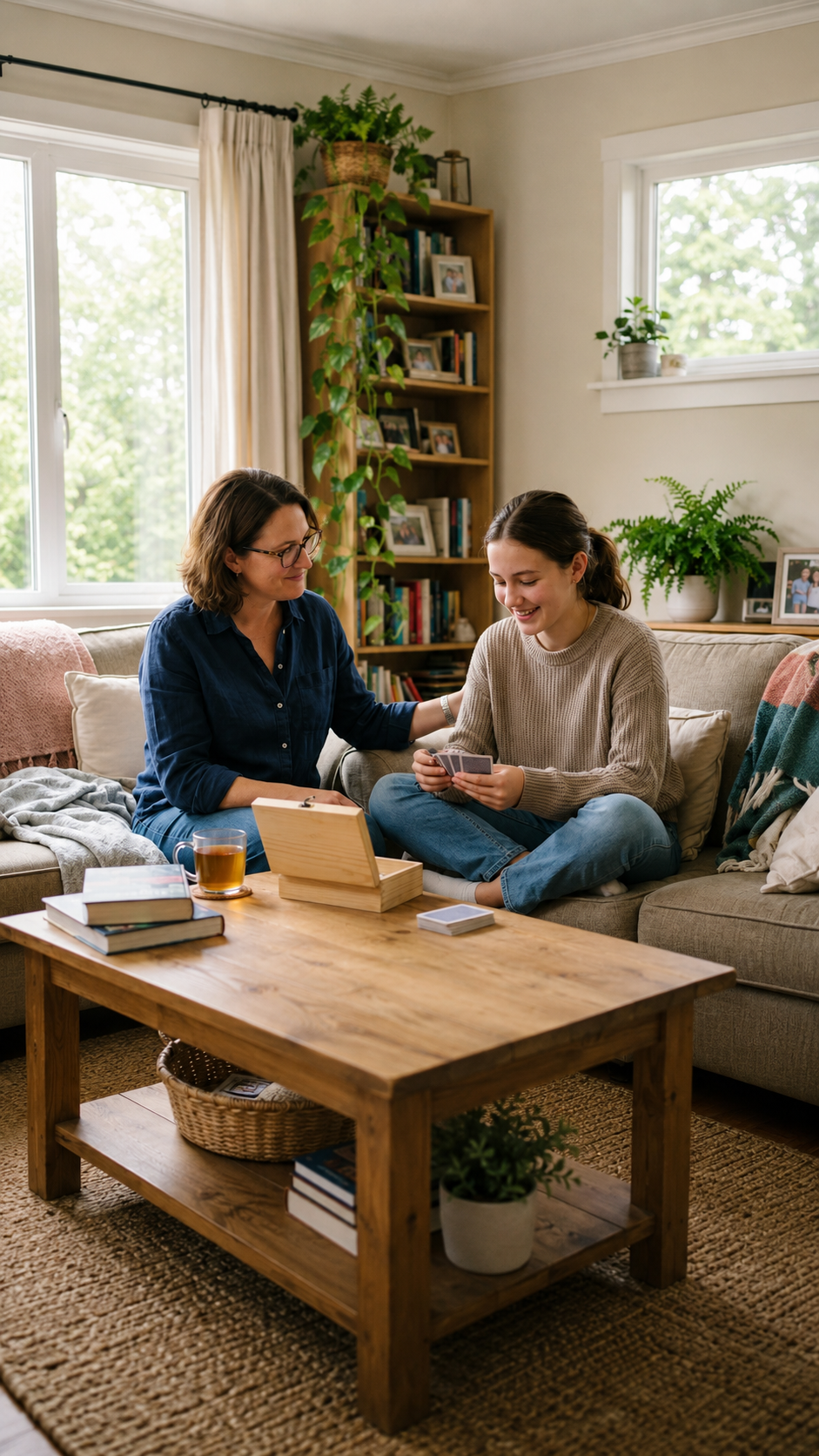
One shared, real-world activity. A board game, a walk, baking cookies, building something together, or simply spending time face-to-face.
Create a daily "screen-free zone." Choose one place in your home where devices stay out. The dinner table, bedrooms, the backyard, or the car are all great options.
Practice 15 minutes of productive boredom. Set aside fifteen minutes where there are no screens, no music, and no entertainment. Encourage reading, drawing, daydreaming, or simply sitting with their thoughts. Boredom is often where creativity begins.
Braintopia’s neurofeedback training is a powerful support tool for rebuilding attention. But the ultimate goal is to prepare our kids—and ourselves—for real life, not just a better digital life.
What a qEEG Brain Map Can Reveal
If you try these experiments and feel the pull of the screen is stronger than you expected, you don't have to navigate it blindly.
We start with a simple, non-invasive qEEG brain map scan that shows the real electrical patterns in your or your child’s brain. There is no guessing involved. It provides clear, actionable data about where attention, overstimulation, or brain regulation may need extra support.
If you’re ready to move from wondering to understanding, we’d be honored to look at the map with you and build a custom plan that fits your family. Click the link below to find out more.
Welcome to Braintopia.