

BRAINTOPIA NEWSLETTERS
Each month, we share gentle brain health insights. From neurofeedback science and seasonal wellness themes to compassionate support for families, educators, athletes, and caregivers.
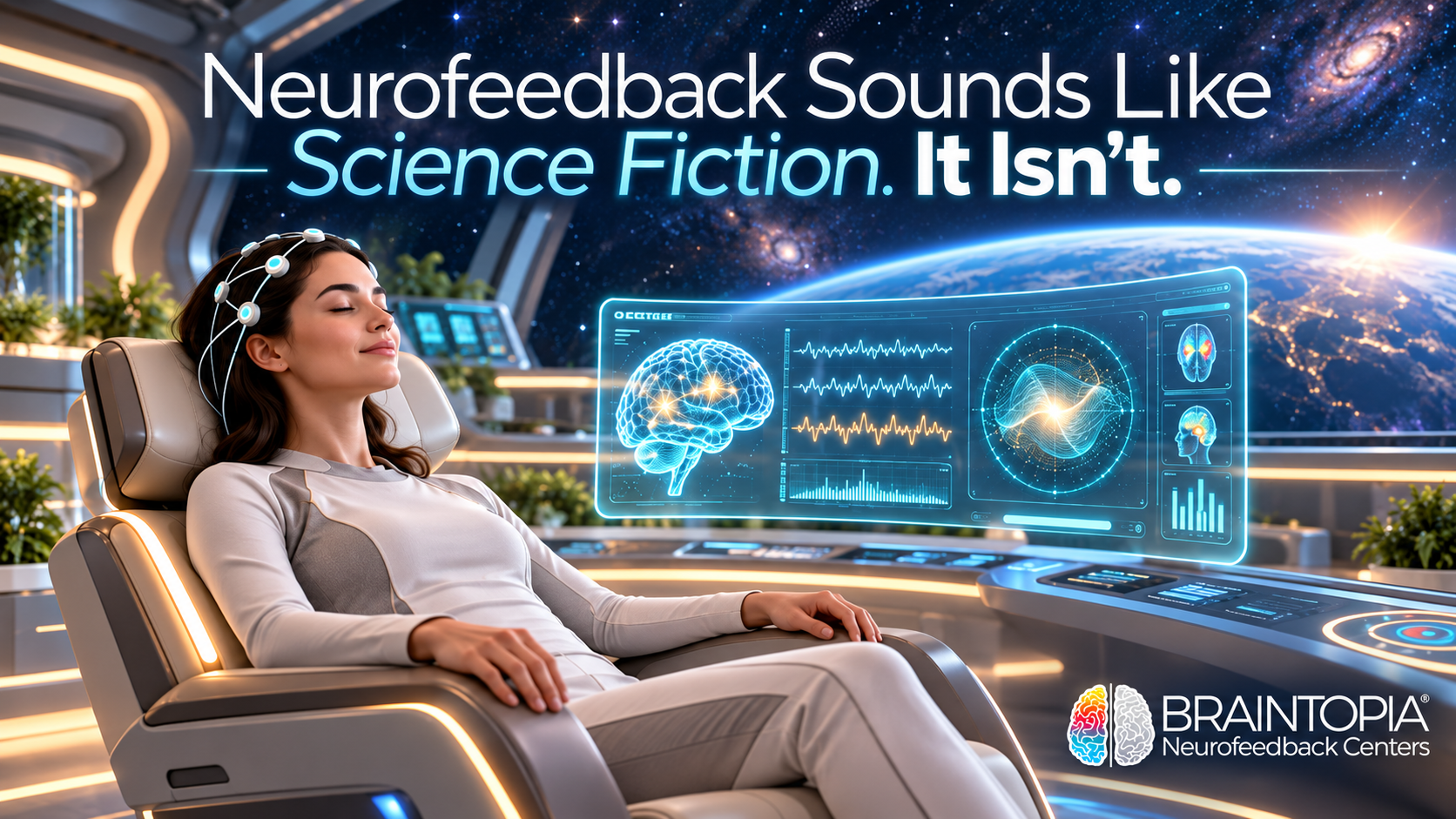
Neurofeedback Sounds Like Science Fiction. It Isn’t.
Listening to the brain in real time sounds like something straight out of Star Trek, but it’s actually a science with roots going back more than 50 years. There are no Vulcan mind melds or sci-fi drama involved—just a comfortable, non-invasive way to help your brain learn and practice balance. Curious how it works (and why you don’t need warp drive to try it)?
Who Guides the Guide?
Teachers, coaches, and school leaders carry a unique mental load before the school year even begins. Introducing The Guide—the first in the Braintopia Brain Profile series—exploring the hidden strain of constant decision-making and how neurofeedback supports the brain behind the role.
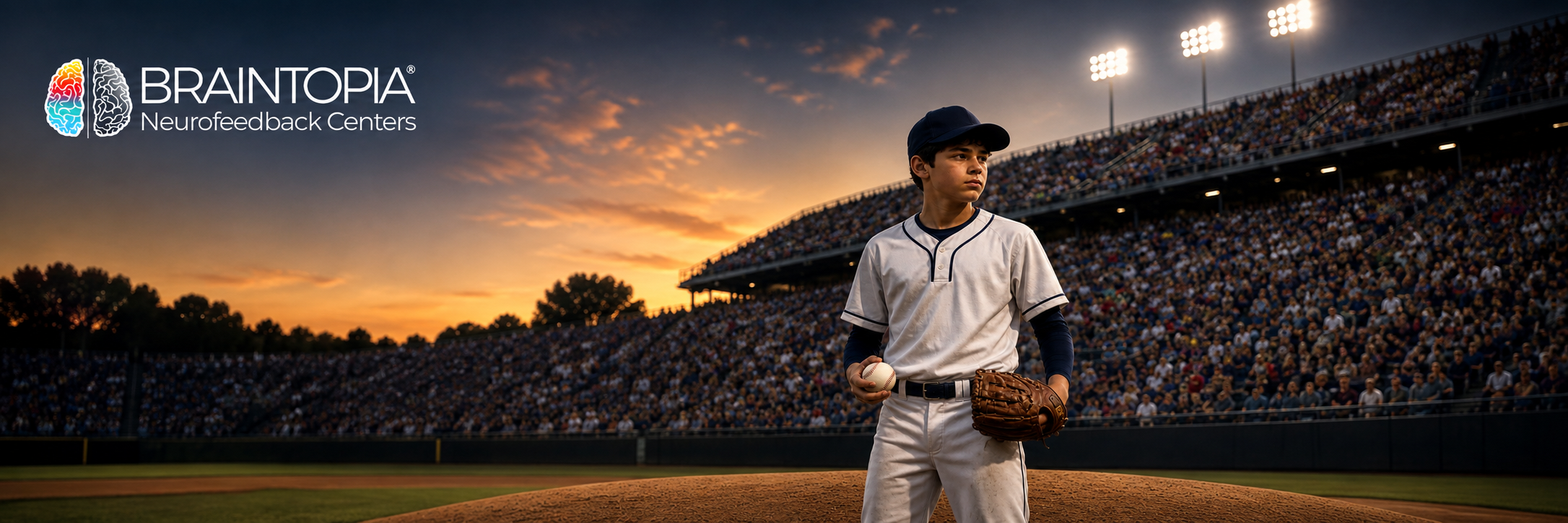
The Lights Are On. Their Brains Are Too. (And So Are the Parents’)
Cameras, crowds, and instant replay—watching a young athlete under stadium lights is electric, but handling game-day pressure is a whole different challenge. When stress spikes, even years of physical training can lock up under pressure—and parents feel that tension just as deeply in the stands. Discover how neurofeedback helps athletes of all ages and their families regulate stress, reset after mistakes, and stay calm when it matters most.
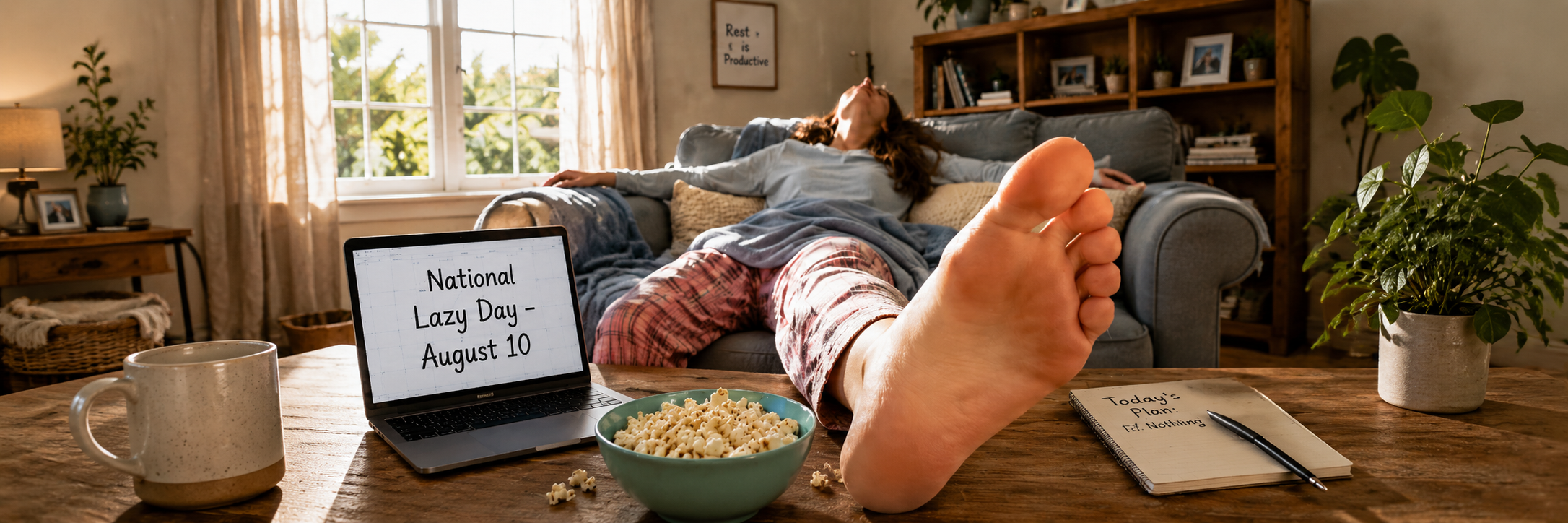
What Actually Happened on National Lazy Day
National Lazy Day is a great idea on paper, but why does "doing nothing" feel so uncomfortable? Explore the hidden stress of constant input, why the brain struggles to settle, and how neurofeedback trains your nervous system to make real rest accessible again.
When Your Brain Sees Fins Everywhere
With Shark Week in full swing, we’re diving into why the human brain gets so easily hooked by dramatic threats—and why everyday life can start triggering that exact same underwater alarm
When the Convention Ends but Your Brain Is Still on High Alert
Whether you were caught up in convention madness or just navigating a relentless work season, coming down from sustained overstimulation isn't always as simple as turning off the lights.
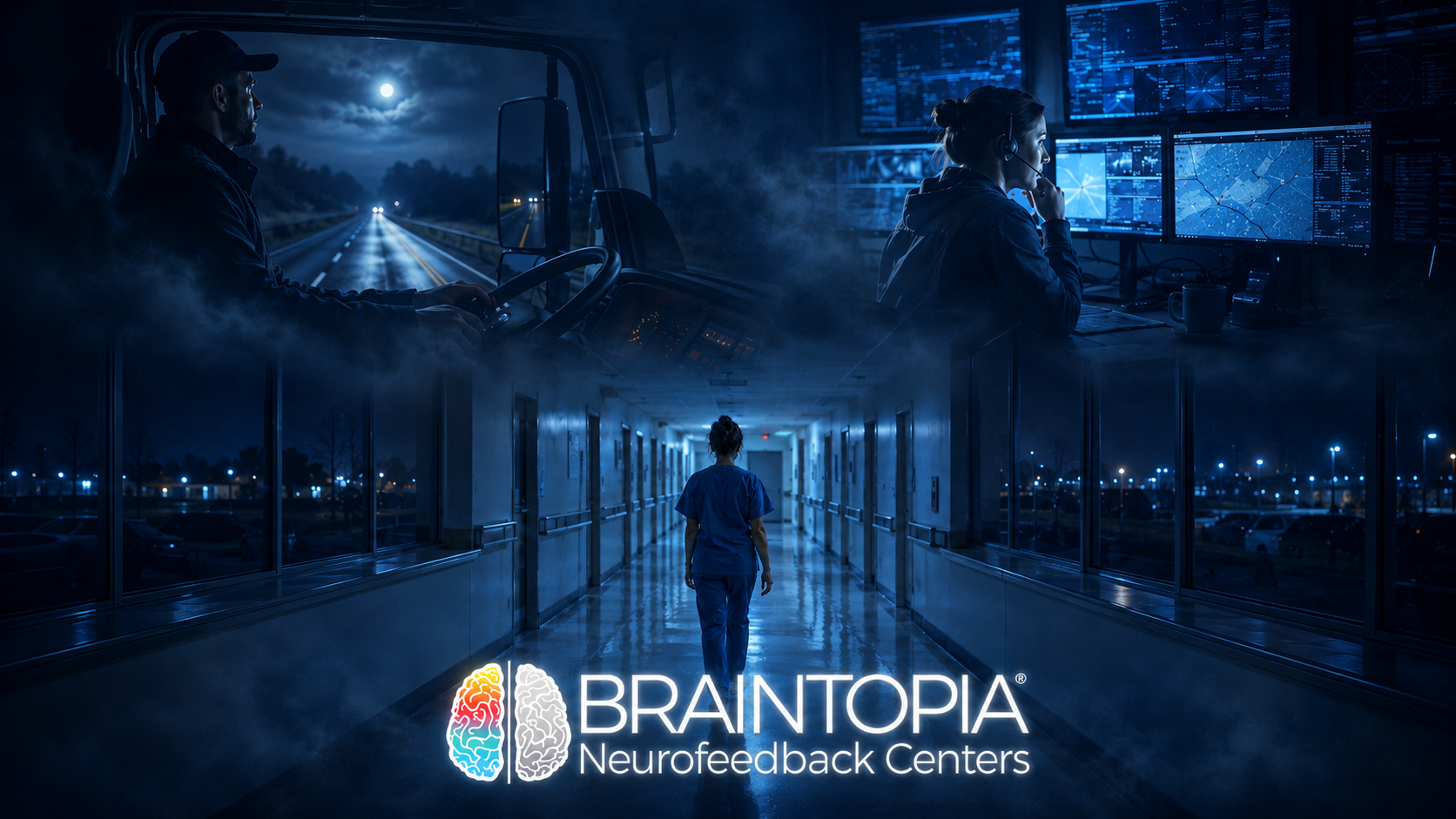
When the Clock Fights Your Biology: Shift Work & Your Brain
While the rest of the world sleeps, a hidden engine of nurses, first responders, and truck drivers keeps society running. But flipping day into night forces your brain to fight its own biology. If you are surviving on caffeine and feeling chronically "wired and tired," here is how targeted neurofeedback can help you reclaim your recovery.

Beyond the Bangs
America’s 250th birthday brought incredible celebrations, but for neurodivergent brains or those with PTSD, the loud bangs and bright lights can trigger an intense sensory storm. Discover the science behind fireworks sensory overload and how neurofeedback helps build lasting nervous system resilience.

Neurofeedback for Athletes: The Mental Edge | Braintopia
Discover how elite athletes use neurofeedback and brain training to manage mental fatigue and optimize focus under pressure. Book a qEEG brain map today.

Screen Time vs. Attention Span: Finding Balance | Braintopia
Is screen time hijacking your child's attention span? Discover the difference between passive consumption and active brain training, plus 5 steps to unplug.

Why Your Brain Feels "Off" in June: Summer Brain Fog | Braintopia
Wired but tired? The Summer Solstice can trigger early cortisol spikes and delayed melatonin. Discover how to support your circadian rhythm as you age.

Men's Burnout & Stress Relief: A Father’s Day Reflection
Feeling exhausted despite getting it all done? This Father's Day, discover how quiet stress impacts the brain and how neurofeedback can help you reset.

Easing Into Summer: Gentle Brain Support for the Whole Family
The final weeks of school bring a wave of excitement mixed with exhaustion. Then suddenly routines disappear, days open up, and summer stretches ahead. For many families — especially those with children who have ADHD or student athletes — this transition can feel particularly big.

Bike Month: How Gentle Movement Calms Your Brain and Sharpens Performance
May is National Bike Month — a beautiful invitation to move your body in a way that feels good instead of forced. Sometimes the simplest activities create the most meaningful shifts.

Teacher Appreciation: Protecting the Minds That Guide Us
Every May during Teacher Appreciation Week we celebrate the incredible educators who shape our children’s lives. They manage classrooms full of different personalities, adapt on the fly, absorb emotional ups and downs, and still find ways to inspire day after day.
Behind the smiles and lesson plans is an enormous mental load that often goes unseen.

Memorial Day: Remembering the Fallen and Supporting Those Still Here
As Memorial Day approaches, many people are preparing for backyard barbecues, family gatherings, and a long weekend.
But for others, this weekend carries a different weight.

Mother’s Day: Honoring the Mental Load She Carries
She remembers the appointments, calms the tears, keeps the house moving, plans the meals, and still shows up for everyone else — often long after her own energy is gone.
This Mother’s Day, we want to gently turn the focus toward her brain. Not with more expectations, but with real care for the invisible load she carries every single day.